
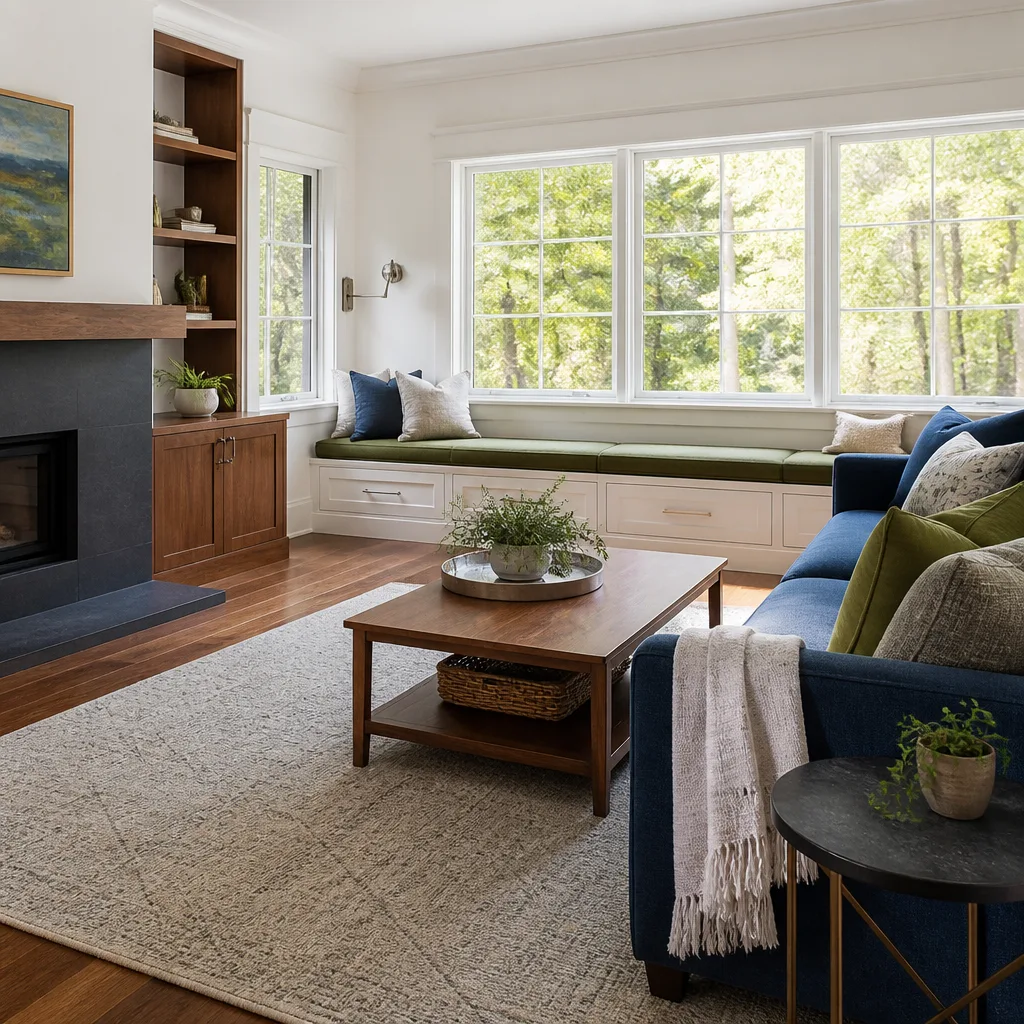
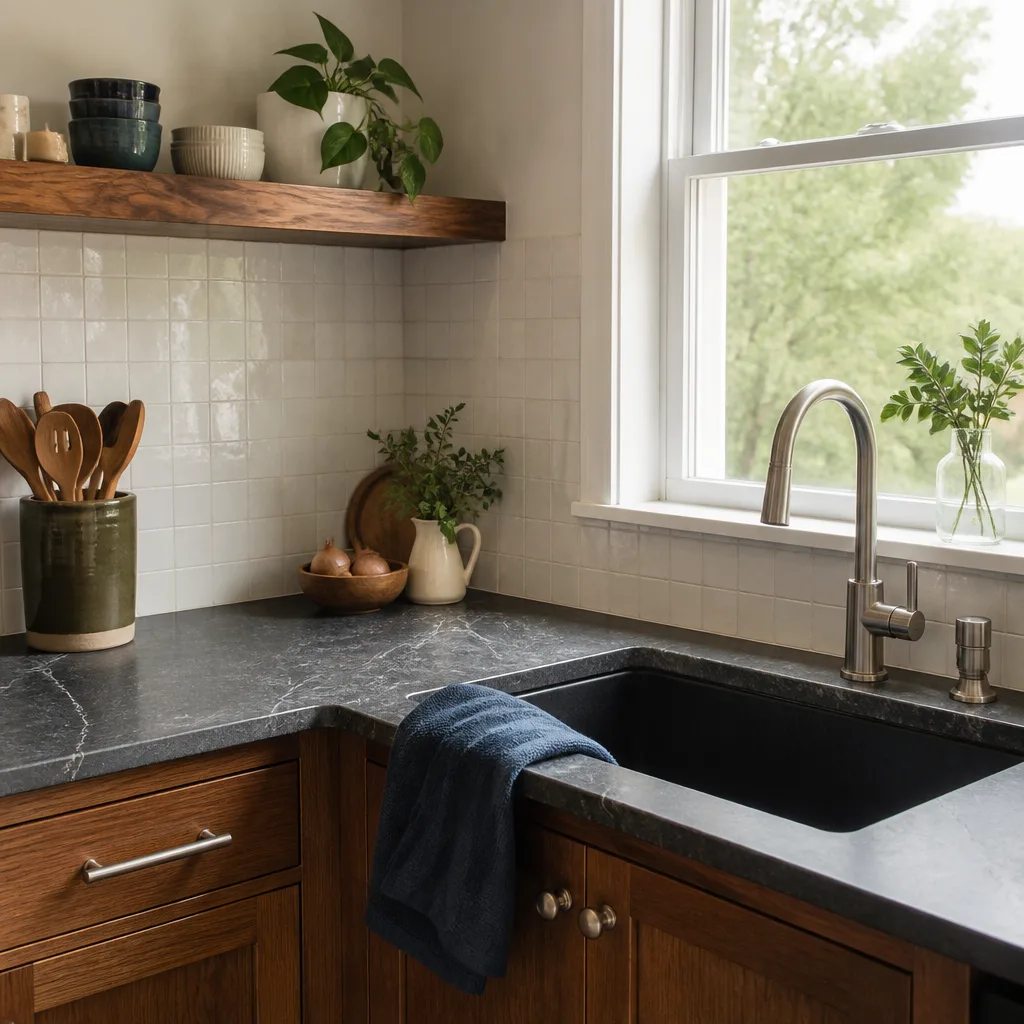
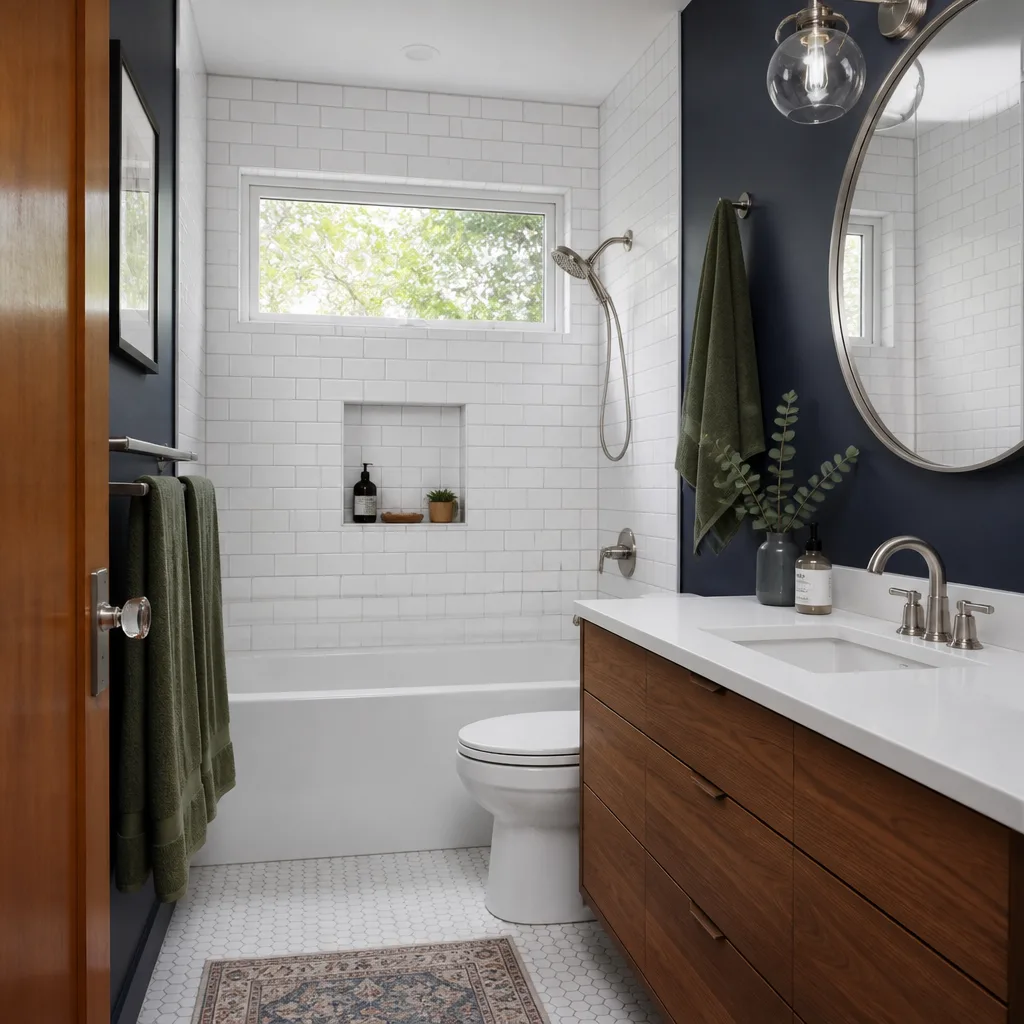
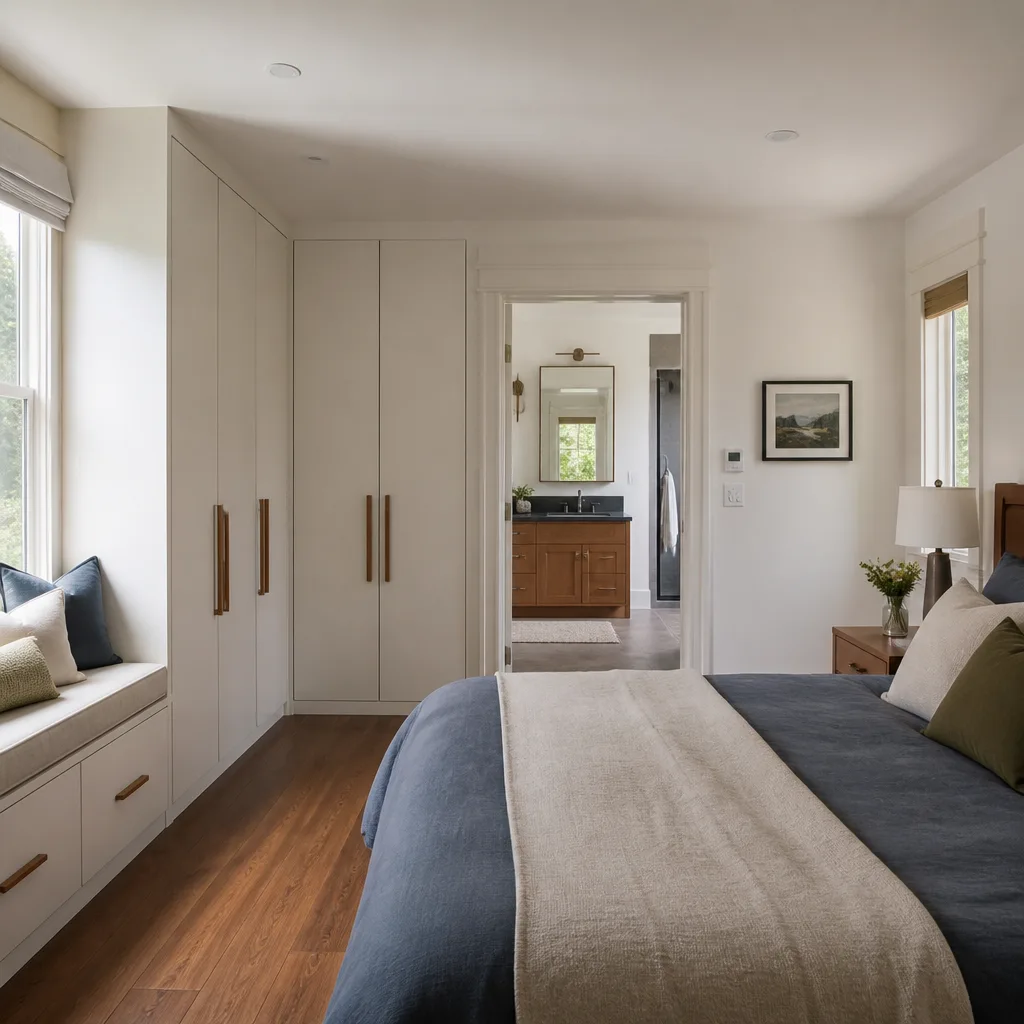
Free written scope consultation - allowances, timeline, and change-order rules on paper before a single trade is scheduled
Oldcastle Home Additions & ADU: The Houston Owner’s Guide
If you’re researching an Oldcastle home addition or ADU in Houston, the realistic installed cost runs $45,000 to $130,000 depending on square footage, foundation work, and finish level. We’re an independent Houston contractor that builds and repairs additions and ADUs using Oldcastle-compatible structural products and premium finish brands listed in our documented spec sheet. When a homeowner calls us about a failed addition or ADU, it usually starts the same way: a door that won’t close square, drywall cracking at the corners, or moisture showing up where it shouldn’t.
Here’s the straight version. Most “failed” additions don’t fail all at once. They fail in stages, and the first stage is almost always the envelope: flashing, weather barrier, or a foundation seam that Houston’s clay soil and humidity worked loose. By the time you see the crack or smell the damp, the damage has been underway for months. We’ll walk through exactly what to check below, what it costs to correct, and when you need a crew that writes the scope down before swinging a hammer.
Key Takeaways:
- Installed cost for an Oldcastle home addition or ADU repair/rebuild in Houston runs $45,000 – $130,000 depending on scope.
- We stock and specify Oldcastle-compatible structural materials, plus premium finish brands like KraftMaid, Cambria, and Silestone.
- Every job gets a written price before work starts, and every completed project carries the 365-Day Done Right Promise in writing.
- Call (940) 289-7658 for a free estimate. A live person answers, 24/7.
Which Oldcastle Models This Applies To
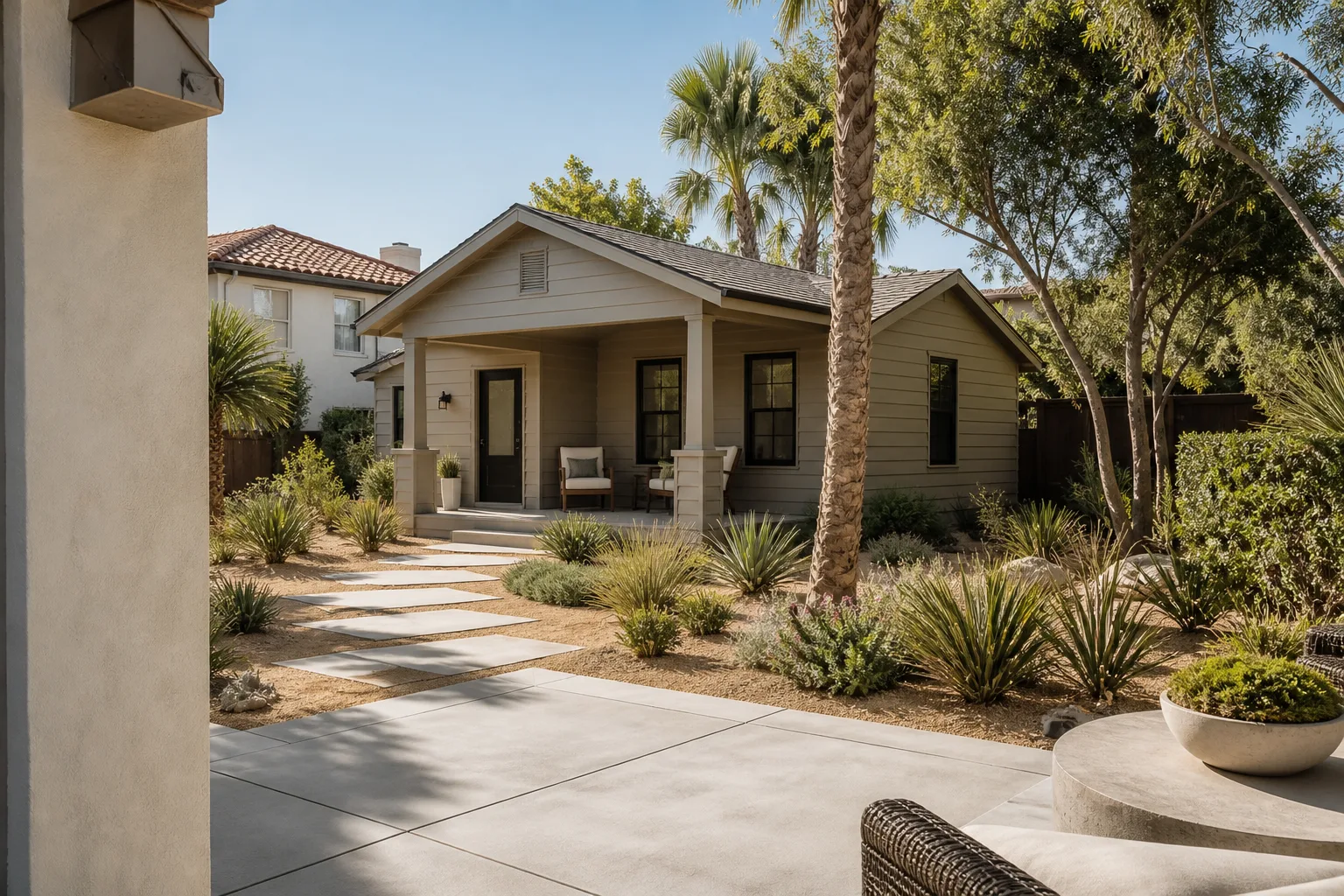
Oldcastle produces a wide range of concrete masonry units, retaining wall systems, pavers, and precast structural components used in Houston slab-on-grade additions and ADU foundations. The compatibility question matters more than most homeowners expect. An Oldcastle block from their standard ASTM C90 line has different compressive strength and moisture absorption ratings than their architectural split-face series. Using the wrong series in the wrong application, especially below grade in Houston’s expansive clay, is how you get wicking and efflorescence within two or three wet seasons.
Here’s the compatibility gotcha you need to know: Oldcastle’s retaining wall and paver systems are not interchangeable with their structural CMU line. A homeowner sees “Oldcastle” on the tag and assumes it all mixes. It doesn’t. The structural block is rated for load-bearing walls and foundation work. The paver and retaining wall products are rated for hardscape only. When we scope a repair, our first step is identifying the actual product series stamped on the unit ends or on the delivery ticket from the original build. That tells us what we’re correcting before we quote a number.
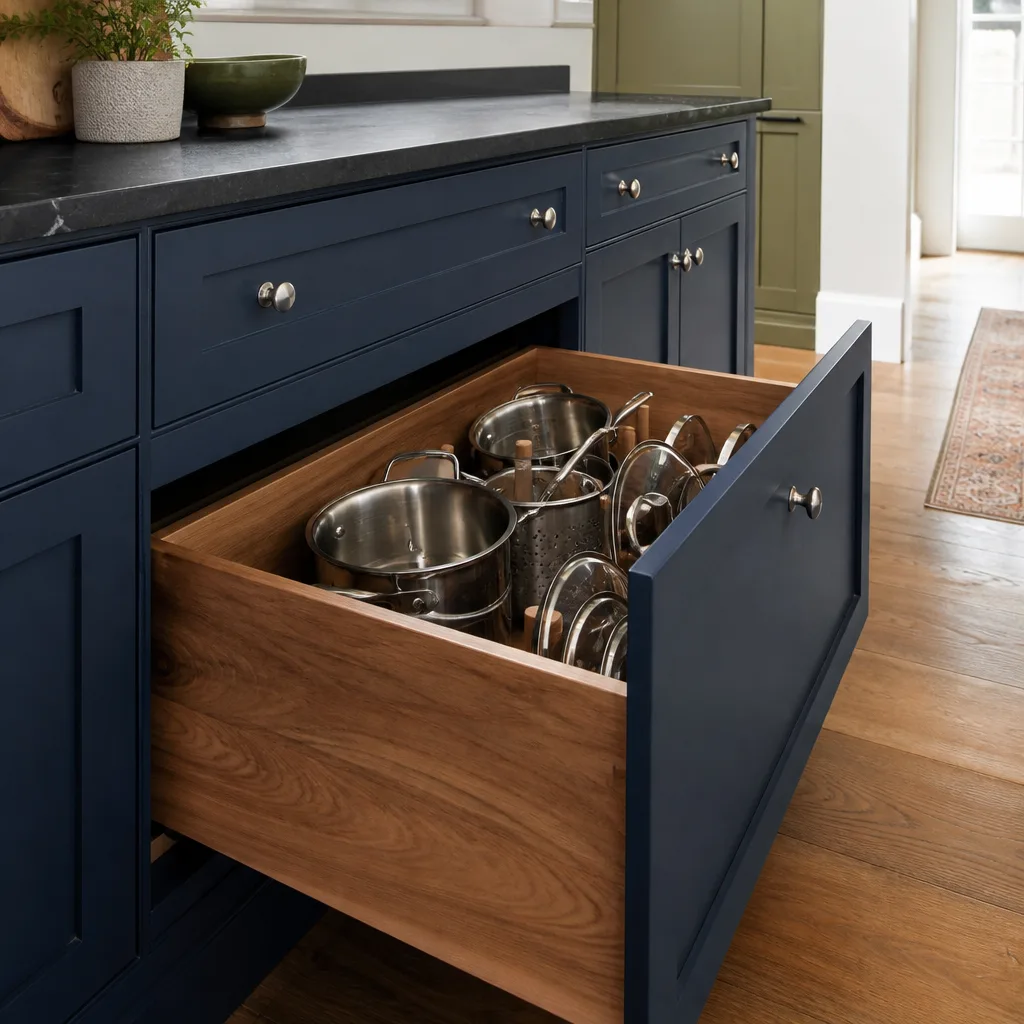
For a Houston addition, the OEM-vs-aftermarket decision works like this: for structural block, we specify genuine Oldcastle or an ASTM-equivalent CMU from a documented supplier. There isn’t a meaningful “aftermarket” for load-bearing masonry. For finish work, cabinets, counters, windows, that’s where our documented roster earns its keep. KraftMaid and Wellborn cabinets, Cambria and Silestone surfaces, Therma-Tru doors. Materials with manufacturer specs and warranties we can put in writing, not whatever the supply house had on sale that week.
Styles & brands we work with







Signs Your Oldcastle Home Additions & ADU Is Failing
- Stair-step cracking through block joints. This is the classic Houston sign of differential settlement. Clay soil expands when wet and contracts when dry, and the movement telegraphs through masonry joints, not the block itself. It usually starts at a corner and climbs. Small hairline cracks can be cosmetic, but stair-step pattern wider than 1/8 inch means your foundation seam is moving.
- Doors and windows binding or failing to latch. When a frame shifts even a quarter inch, a door that closed clean for years suddenly catches at the top. The frame is square; the opening isn’t anymore. In Houston, this shows up most often after a dry summer followed by a wet winter, exactly when the clay does its shrink-and-swell routine.
- Efflorescence or damp patches on interior block walls. That white chalky powder isn’t a surface stain. It’s mineral salts being pulled through the wall by water moving from outside to inside. The water is either wicking up from the slab or penetrating from outside. Either way, you have a moisture barrier failure that won’t fix itself.
- Separation between the addition and the original structure. The seam where old house meets new addition is the failure point Houston builders earn their reputation on. Improper flashing or insufficient movement allowance means the seam opens. Once water gets behind the flashing, the framing and insulation start holding moisture, and you get mold before you ever see a leak. A failed addition seam isn’t an inconvenience; it’s a structural liability.
- Hollow-sounding stucco or delamination on exterior finish. If the finish is separating from the substrate, tap testing tells the story. A solid finish sounds dead; a delaminated one sounds hollow. In Houston’s humidity, a delaminated exterior finish is an open invitation for water intrusion behind the weather barrier.
See the difference
 Before
 After
After Before
 After
After Before
 After
AfterReplacement Cost & What’s Included
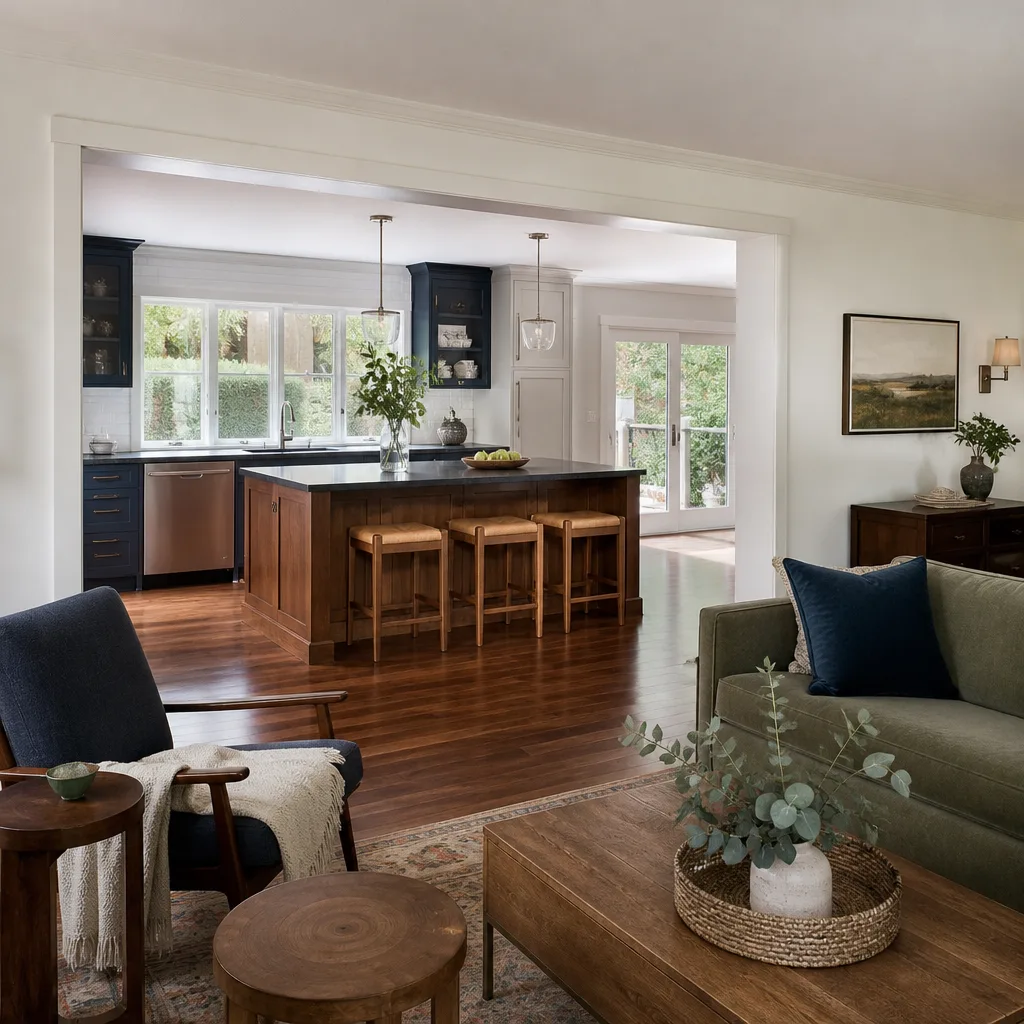
For a full-scope home addition using Oldcastle-compatible structural products in Houston, the installed range is $45,000 to $130,000. That’s the number. Here’s what drives the spread:
- Foundation work. A new slab, piers, or foundation repairs on Houston clay are the single biggest variable. Bad soil means deeper piers, more concrete, more engineering. That’s often 20 – 30% of the total.
- Square footage and roofline complexity. A simple single-story bump-out on a gable end costs far less per square foot than a two-story addition that ties into existing roofline valleys. More flashing, more points of failure, more labor.
- Finish level. Builder-grade cabinets and laminate counters versus KraftMaid and Cambria. This can swing the number $30,000 by itself.
- ADU-specific systems. A detached ADU requires its own electrical service, HVAC, and typically its own water line. Those utilities aren’t an add-on; they’re a separate scope inside the same structure.
Every number we give is written. Fixed. No change orders unless you change the scope. That’s not a sales tactic. That’s The Garrison Standard, and it’s the way Curtis Lane has run crews in Houston for over a decade. Written price before any work starts, and a signed written guarantee in your hand at job close. The 365-Day Done Right Promise means if the work fails inside a year, we come back and correct it at no charge. Straight scope, straight number, that’s the whole conversation.
| Job Component | Houston Installed Range |
|---|---|
| Home Addition (full scope, Oldcastle-compatible structural) | $45,000 – $130,000 |
| ADU Construction (detached, with utilities) | $90,000 – $220,000 |
| Garage Conversion (to living space) | $30,000 – $80,000 |
| Foundation Repair / Pier Work (typical addition scope) | $8,000 – $25,000 (varies by soil report) |
Every line item is priced separately. You see the material cost, the labor cost, and the exact scope, in writing, before you sign anything. No one walks through your door with a surprise number.
DIY or Call Us?
Here’s the honest split. There are checks you can do yourself: identifying the Oldcastle product series from the stamp on the unit ends, photographing cracking patterns over a few weeks to track movement, checking for obvious moisture intrusion at the structure seam. Those are observations. They help us scope faster. They don’t fix anything.
What you should not do is any structural work, any foundation adjustment, any flashing correction, or anything involving electrical, gas, or load-bearing removal. Houston code requires permits and inspections for structural work on additions and ADUs, and a failed addition isn’t where you learn masonry repair. One wrong cut into a structural block wall during a DIY fix turns a $3,000 flashing correction into a $30,000 structural repair. The risk isn’t the tool; it’s the false confidence that the problem is simpler than it is. Call (940) 289-7658. A live person answers. We’ll tell you over the phone whether this is worth a service visit, and the estimate is free either way.
FAQs
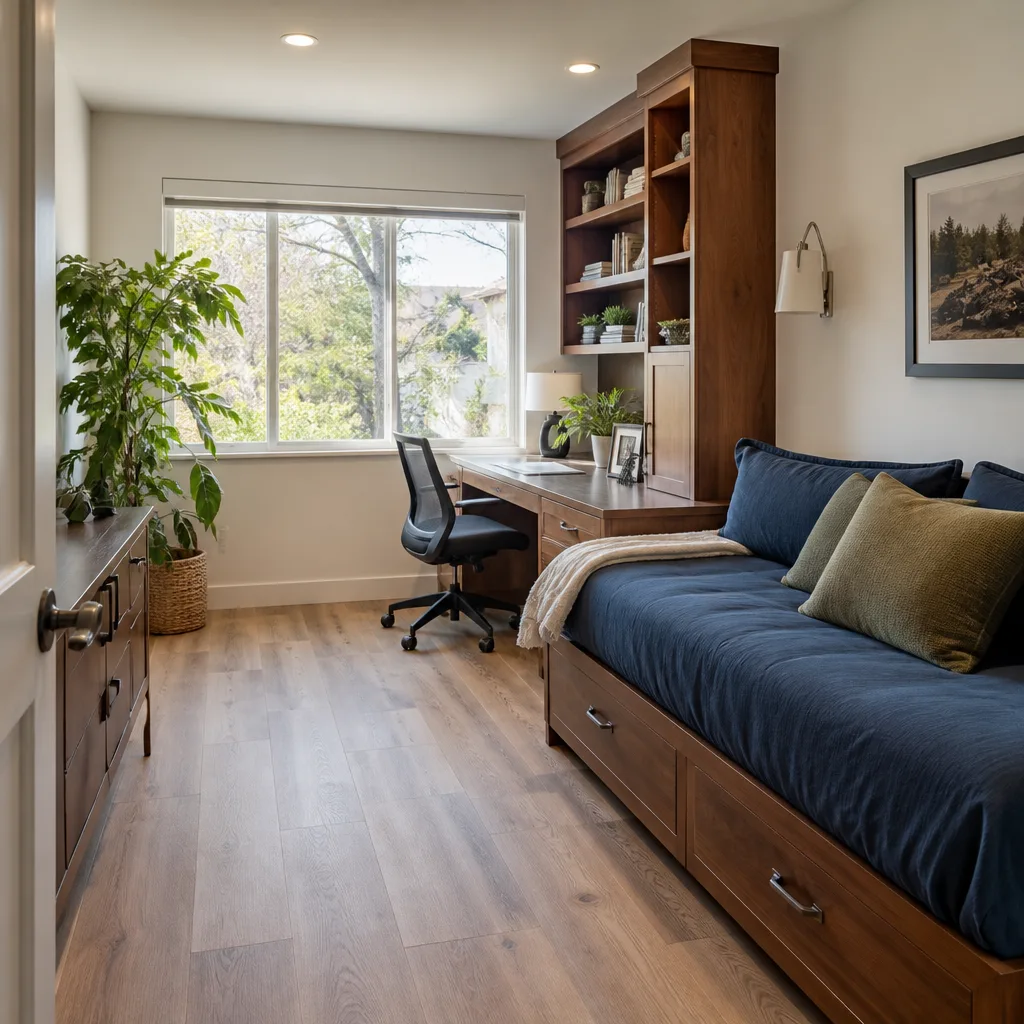
A properly built Oldcastle-compatible addition on a correctly engineered Houston slab should last 50+ years for the structural shell, but the finish envelope, flashing, caulking, weather barriers, and door seals typically need service every 10 – 15 years in Houston’s humidity and clay soil. The block itself fails rarely. It’s what holds the block that fails first.
Most failures are repairable without a full rebuild. Settlement cracks can be stabilized with pier work, seam separations can be re-flashed, and moisture intrusion can be corrected by opening the affected section, replacing the failed barrier, and closing it back dry. A full teardown is rare and usually tied to severe foundation failure or code-corrected scope. Call (940) 289-7658 for an assessment, and we’ll tell you which end of that spectrum you’re on.
Most addition repairs run one to three weeks from the first day of demo to final inspection. Structural corrections with foundation work run three to six weeks. A full ADU build from slab to certificate of occupancy typically runs three to five months depending on soil, weather, and permit scheduling in Houston. We’ll give you a written timeline with the written price.
We keep common Oldcastle ASTM C90 CMU, mortar, flashing, and weather barrier products in our Houston yard and on service trucks for standard repairs. Specialty series, architectural finishes, and paver or retaining wall products get ordered per job to match the original series. Same with finish materials: KraftMaid, Cambria, Silestone, and every other brand on our roster get specified against a documented order, not picked from whatever’s left in a showroom. Call (940) 289-7658 to confirm stock for your project, and we’ll check the yard while you’re on the line.
Written by Curtis Lane, Owner, Bradford Remodeling Co Houston at Bradford Remodeling Co Houston, serving Houston and nearby areas.


