
Free written scope consultation - allowances, timeline, and change-order rules on paper before a single trade is scheduled
Abodu Home Additions & ADU: The Houston Owner’s Guide
Abodu home additions and ADU construction in Houston typically runs $45,000 to $130,000 for a complete permitted build, depending on square footage, foundation work, and utility connections. We keep Abodu-compatible materials on hand and can usually start the site assessment within a few days of your call. Most Houston owners discover they need us when an existing Abodu unit shows signs of failing: a door that no longer seals, floor movement after heavy rain, a roof that’s begun leaking at the transition point where the factory-built module meets the site-built foundation.
Curtis Lane has spent over a decade running crews across Houston, and he’s seen what our humidity, clay soil, and storm cycles do to prefab additions. The factory-built part holds up fine. It’s the marriage between the module and Houston ground that needs watching, and that’s where we come in.
Key Takeaways:
- Most Abodu-related repairs or full builds in Houston land between $45,000 and $130,000 when permitted and done to code.
- We are an independent contractor, not affiliated with Abodu, but we work with their modules and understand their connection details.
- Every job gets a written price before work starts, backed by our 365-Day Done Right Promise.
Which Abodu Models This Applies To
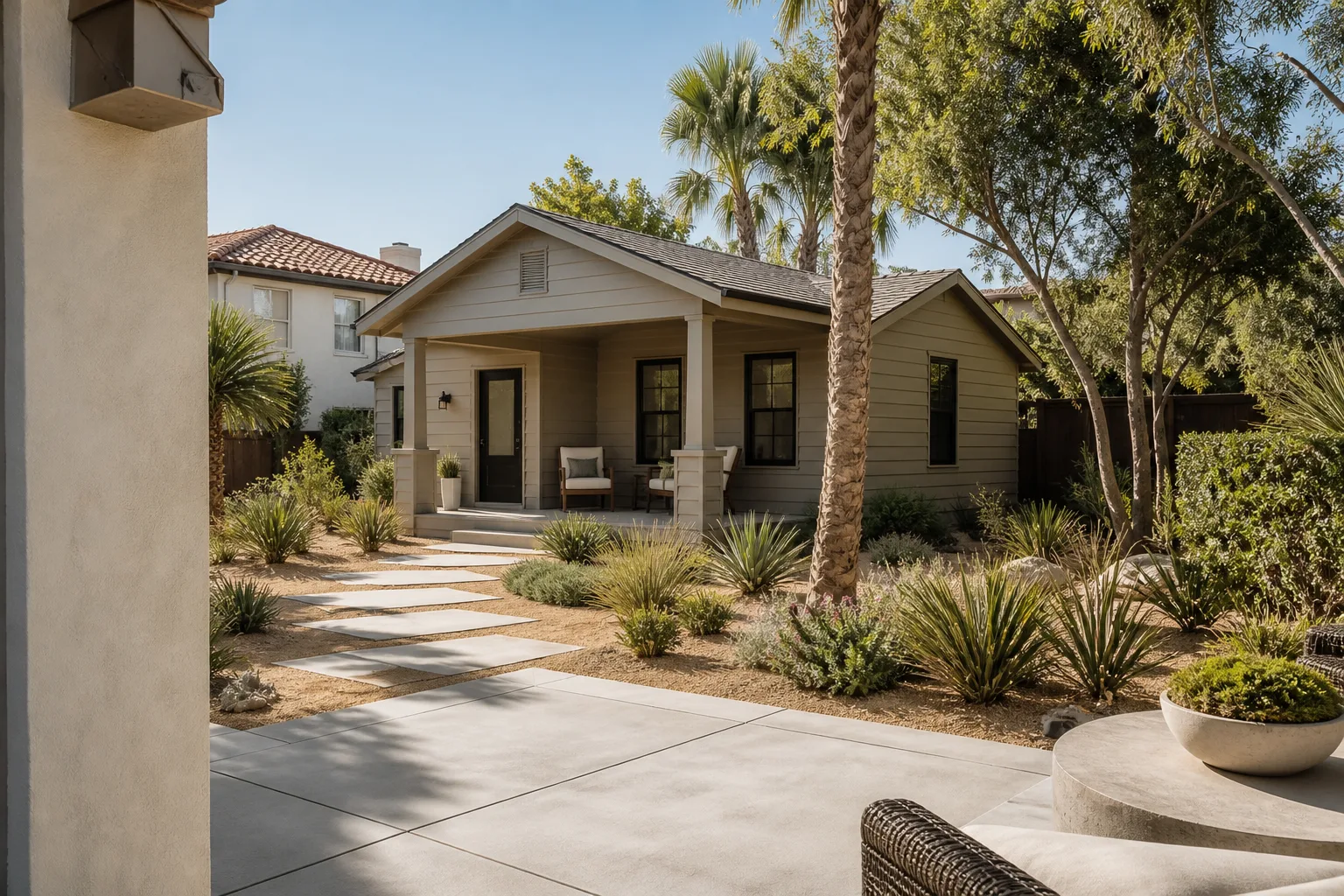
We work on every Abodu configuration currently installed in the Houston area: the Studio, the One Bedroom, and the Two Bedroom layouts, whether it’s a standalone ADU in the backyard of a Heights bungalow or an attached addition off a Cypress rancher. The structural connection points are the same across the line, and that’s where most field issues show up.
Identifying what you have matters before anyone touches it. Look for the factory label inside the electrical panel door or on the underside of the floor joist access, usually near the module’s main entry. If the label is gone, measure the module’s width and note the roof profile: Abodu uses a low-slope roof system on most units, and the flashing detail where that roof meets an existing house wall is a common failure point in Houston’s summer downpours.
On parts: we’ll use Abodu OEM components when the manufacturer’s warranty is still active or when a structural part needs to match exactly. For less critical items like weather stripping, sill plates, and flashing, we’ll often spec a quality aftermarket equivalent that’s engineered for Houston’s wet-dry cycle. We won’t put a generic part on a load-bearing connection point. That’s a written-price conversation, not a guess.
Styles & brands we work with







Signs Your Abodu Home Addition or ADU Is Failing
- The door sticks or won’t latch in summer. Houston’s humidity swells door frames and reveals a foundation or leveling issue. If the module has settled even half an inch, the door is the first casualty.
- You can see daylight under the base trim. That means the module’s floor platform has shifted relative to the foundation or pier system. Left alone, water gets in during the next big rain and starts eating the subfloor.
- Soft spots in the floor near the exterior walls. This is usually moisture intrusion at the transition point. In Houston, we regularly find this caused by failed flashing at the module-to-foundation seam or clogged drainage around piers.
- The roof leaks where the ADU meets the main house. The low-slope detail Abodu uses is fine when flashed correctly. But after a few Houston summer storm seasons, any gap in that transition opens and water finds it fast.
- Condensation or mildew smells inside the module. Factory-built units are tight. If the ventilation detail wasn’t adapted for Houston’s humidity, moisture builds up and the next thing you notice is a musty smell that won’t go away.
See the difference
 Before
 After
After Before
 After
After Before
 After
AfterReplacement Cost & What’s Included
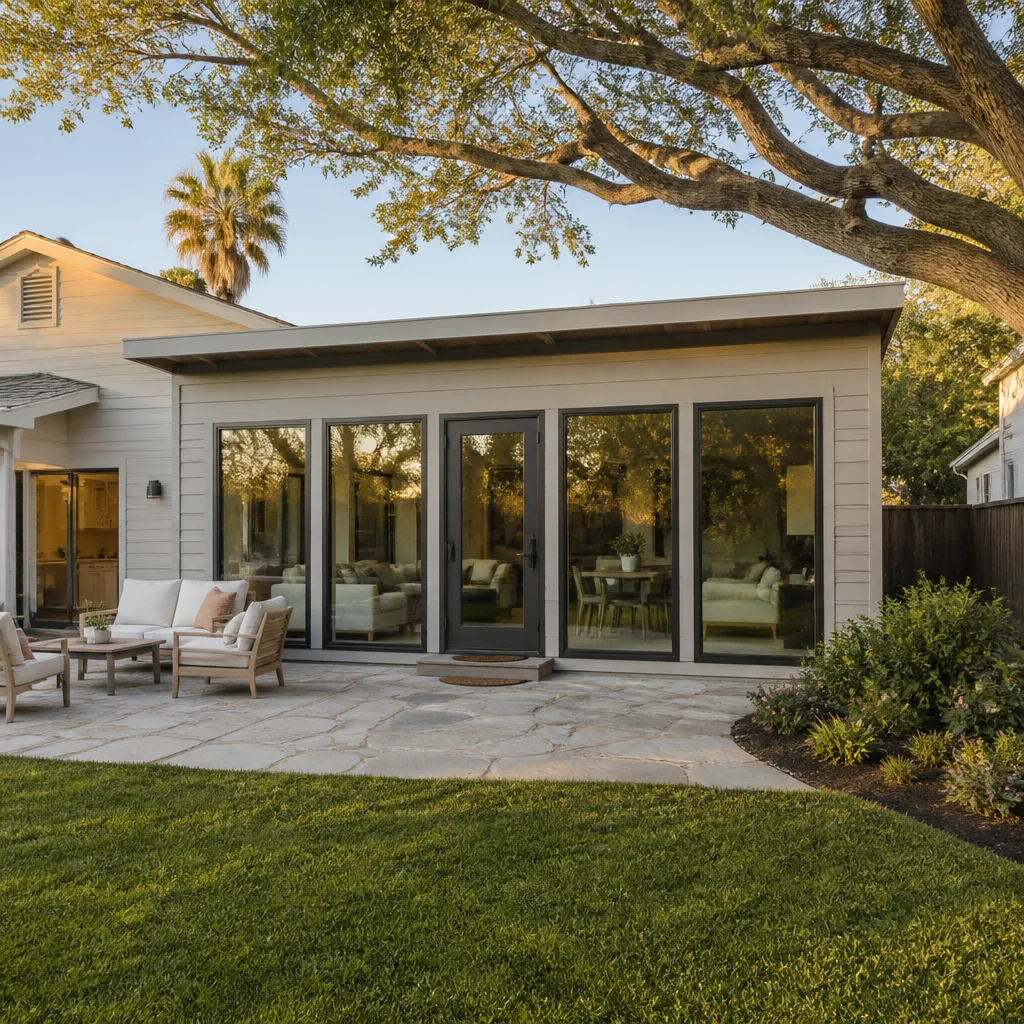
A full Abodu home addition or ADU in Houston runs $45,000 to $130,000 installed. The spread depends on three things: whether you need new foundation work or can tie into an existing slab, how far your utilities need to run, and what level of interior finish you’re after. A simple studio with a kitchenette on a prepared pad sits at the lower end. A two-bedroom unit with a full bath, upgraded finishes, and a long utility run sits at the top.
What’s included in our price: the module set and leveling, foundation or pier work, all utility connections, interior finish-out, permitting, and the written 365-Day Done Right Promise. If something we touched fails inside a year, we come back and correct it at no charge. That’s The Garrison Standard, and it’s in writing before the first tool comes out.
Line-item pricing for a typical Houston Abodu-related build looks like this:
- Site prep and foundation or pier system: $8,000 – $25,000
- Module set, leveling, and structural connections: $6,000 – $15,000
- Utility connections (electrical, plumbing, HVAC): $10,000 – $35,000
- Interior finish-out: $15,000 – $50,000
- Permits and inspections: $3,000 – $8,000
Call (940) 289-7658 and we’ll give you a written number based on your lot, your scope, and what Houston’s building department requires. Straight scope, straight number – that’s the whole conversation.
DIY or Call Us?
If you’re diagnosing a problem, you can safely check a few things yourself: look for visible daylight under the base trim, test the door through a full open-close swing, and walk the perimeter after a rain to see where water pools near the foundation. That’s useful information to have when you call.
What you shouldn’t do is start pulling off flashing, jacking the module, or attempting to re-level it yourself. A prefab unit under tension can shift suddenly, and if you lift it wrong you’ll crack the drywall, break the window seals, or worse. Foundation work and structural connections on an Abodu module need a trained crew and a level that’s actually checked against real measurements. We’ve corrected enough homeowner attempts in places like Spring Branch and Katy to tell you: the repair costs more than the professional fix would have. Call (940) 289-7658 and we’ll get eyes on it.
FAQs
The module itself is engineered for decades of service, but the connection points between the factory-built unit and the Houston site work need attention every 7 to 12 years, depending on soil movement and drainage. Most issues we see aren’t with the Abodu panels; it’s the foundation marriage and flashing that fail first in our climate.
Yes, in most cases. If the module shell is sound, we repair the connection points, re-flash the transitions, re-level the unit, and replace any moisture-damaged framing or drywall. A full replacement is only the right call when the module’s structure itself has been compromised by long-term water intrusion or a failed foundation. Call (940) 289-7658 for an exact assessment, and we’ll tell you straight whether it’s a repair or a rebuild.
A repair typically takes 1 to 3 weeks depending on scope and what the inspection schedule looks like. A full new ADU or addition runs 3 to 6 months from permit pull to final walk-through, and we’ll put the timeline in writing before we start.
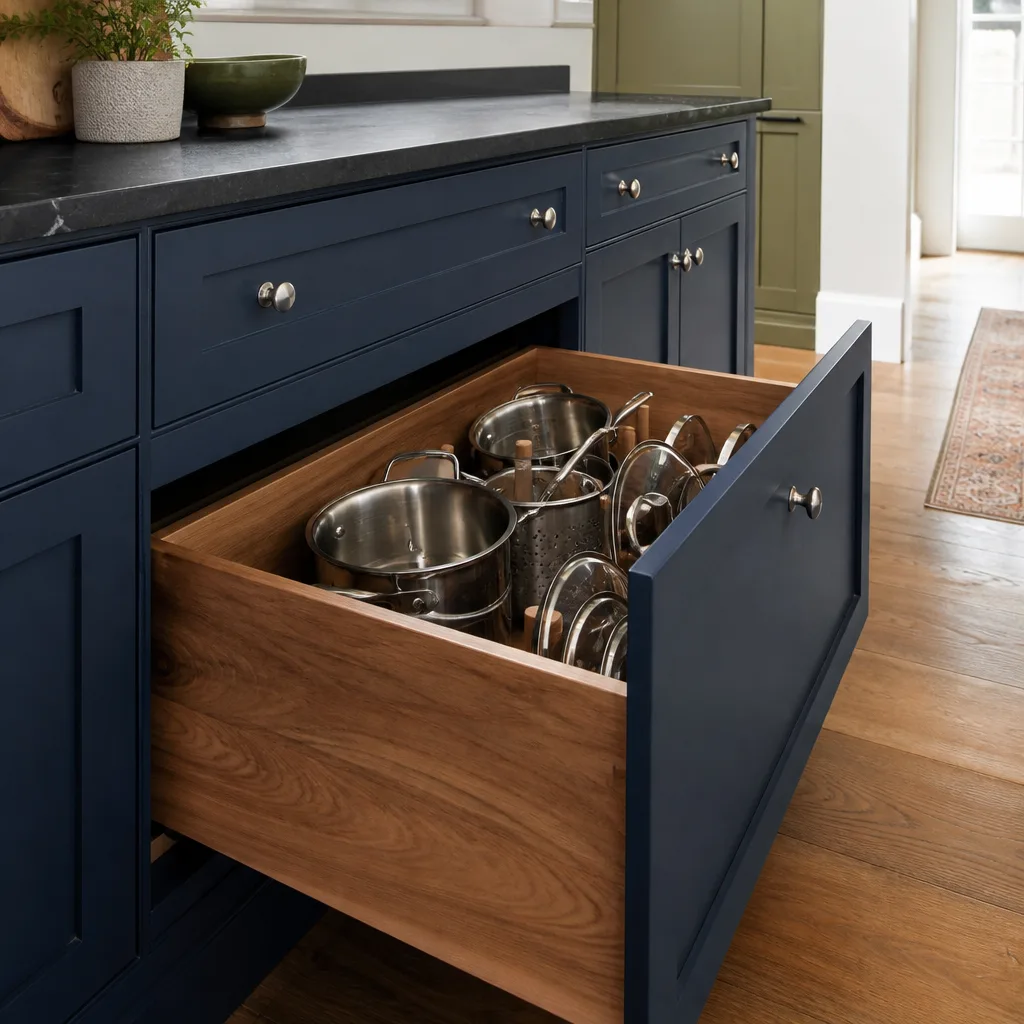
We keep common Abodu-compatible parts on hand: flashing, weather sealing, sill plates, and connection hardware. For OEM structural components or interior finish pieces like specific panel profiles, we order direct and they usually arrive within a week. We also stock materials for KraftMaid, Cambria, and Silestone when the project includes interior work, so one crew handles the whole scope.
Written by Curtis Lane, Owner, Bradford Remodeling Co Houston at Bradford Remodeling Co Houston, serving Houston and nearby areas.


