





Free written scope consultation - allowances, timeline, and change-order rules on paper before a single trade is scheduled
Grohe Roofing: The Houston Owner’s Guide
Bradford Remodeling Co Houston stocks and installs Grohe-compatible roofing components across the greater Houston area, with most replacement jobs priced between $400 and $1,800 installed. We keep the most common failure parts on the truck, so a single visit usually gets your roof sealed and squared away. Most Houston homeowners discover they need this work when a ceiling stain spreads after a hard Gulf rain, or when a post-storm walkaround turns up a lifted flashing joint that wasn’t there in the spring.
Houston’s weather punishes roofing hardware in predictable ways. A Grohe roof system that performs fine through mild winters takes a beating from July UV, spring hailstorms, and the kind of humidity that never lets a micro-crack dry out. That’s the reality of a coastal plain climate, and it’s why we treat roofing parts as a wear item, not a set-and-forget fixture. When you call, a live person answers, and we’ll give you a straight written price before any work begins.
Which Grohe Models This Applies To
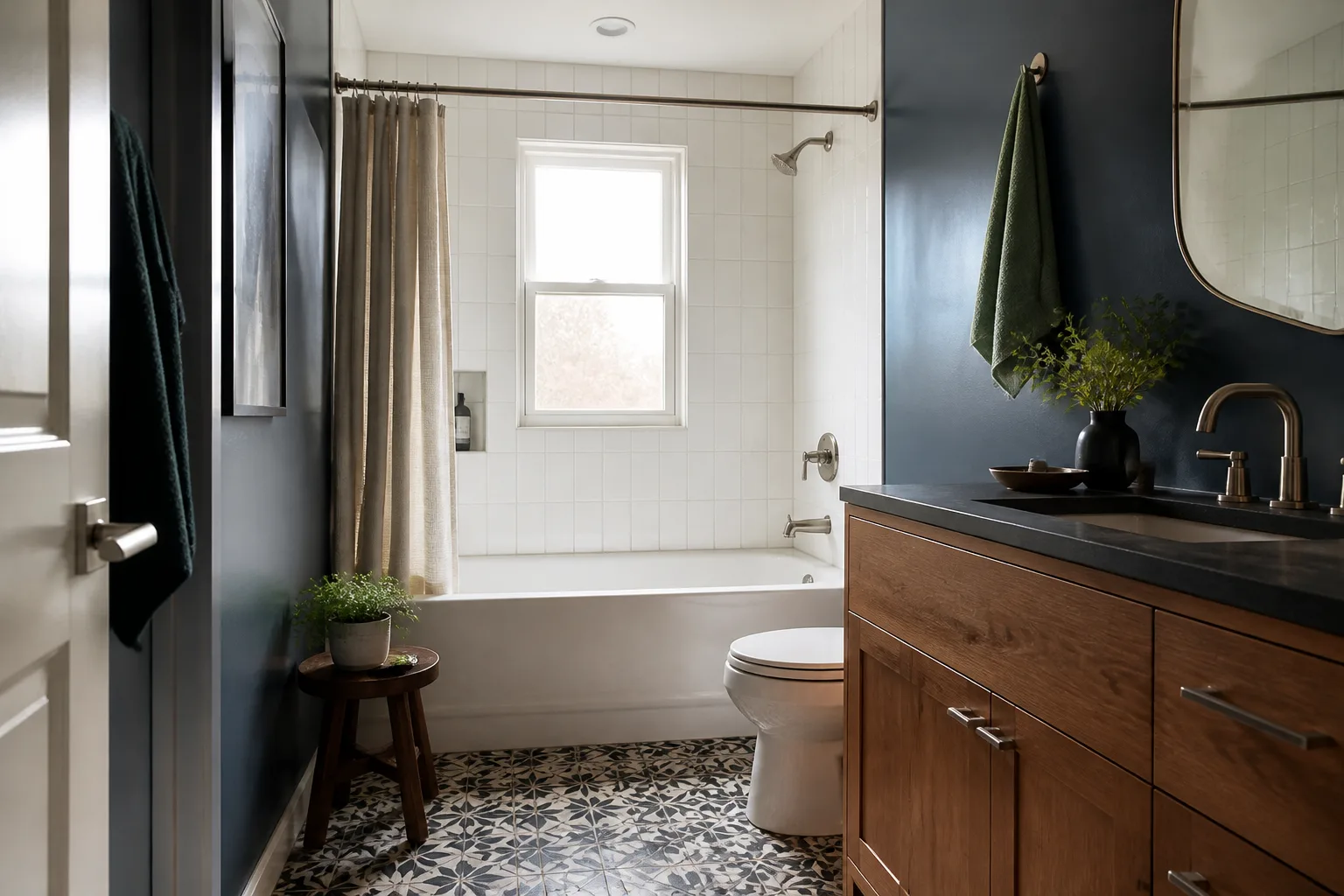
Grohe’s roofing and flashing hardware appears most often as part of integrated gutter, drainage, and roof-penetration systems on higher-end Houston builds from the last 15 to 20 years. The parts we replace break into three general groups: roof-flange and penetration seals, drip-edge and fascia components, and vent-pipe collars that tie into the Grohe plumbing stack. If your original build spec or remodel invoice lists Grohe components, match the stamped code on the failed part itself, usually an alphanumeric stamping on the underside or the widest flat face. When the stamp is worn smooth, we pull measurements and match by profile, because Grohe has used two different flange diameters on vent collars that look nearly identical from six feet away.
On the OEM-versus-aftermarket question, our honest answer depends on the location of the failure. For penetration seals and anything that sits under shingle courses, we recommend OEM Grohe wherever the part is still in production. The tab geometry and material thickness are specification-matched. For exposed drip-edge and fascia trims where a premium aftermarket part meets the same gauge and profile, we’ll tell you exactly what we’re quoting and why, with the manufacturer spec sheet in the written quote. We’re an independent service provider and not affiliated with Grohe, so the recommendation is based on how the part performs on Houston roofs, not on a dealer agreement.
Styles & brands we work with







Signs Your Grohe Roofing Is Failing
- Ceiling stain below a roof penetration. A vent pipe or plumbing stack is the most common failure point on a Grohe-integrated roof, and the collar is usually the culprit. The stain means water has already traveled through the decking and into the attic, so don’t wait for it to dry.
- Visible light or a lifted edge at the drip line. Walk the perimeter and sight down the fascia. Houston’s wind-driven rain exploits any lifted drip edge, and Grohe profiles are rigid enough to hold a bend once they’re torqued out of shape by heat cycling.
- Granule loss or blistering directly above a flashing joint. That’s a sign the joint has been holding moisture and heating unevenly. The shingle takes the visible damage first, but the Grohe flashing underneath is what’s failing.
- A rusty streak on the fascia below a joint. The Grohe powder-coated finish gives out eventually in salt-tinged gulf air. Rust streaks mean the coating has failed and moisture is sitting in the seam.
- A gutter seam that drips during a light rain but not a heavy one. Slow water follows seams and gaps. Heavy water sheets past them. A drip only in light rain points to a worn seal at the Grohe gutter connection, a cheap fix before it becomes a fascia repair.
See the difference
 Before
 After
After Before
 After
After Before
 After
AfterReplacement Cost & What’s Included
Installed pricing for Grohe-compatible roofing work in Houston runs from $400 for a single penetration seal replacement to $1,800 for a full drip-edge and fascia trim repair on a larger home. Most jobs land between $600 and $1,200. The main cost drivers are roof pitch, single-story versus two-story access, the number of penetration points being addressed, and whether we need to match an out-of-production Grohe profile with a fabricated equivalent.
Every quote includes the part, the labor, the substrate repair if the decking has rot, and haul-off of the failed materials. There is no number that moves at the door. Everything covered by our written quote is covered by the 365-Day Done Right Promise: if it does not hold for a full year, we come back and correct it at no charge. That’s The Garrison Standard in action, and it’s in writing before we start.
DIY or Call Us?
A homeowner with a good ladder and a dry afternoon can safely inspect visible Grohe components from the ground: look for lifted drip edges, rust streaks, granule loss patterns, and any daylight through gaps. Take photos from the ground first, because those photos help us quote accurately before we dispatch a truck. What you should not do is get on a Houston roof, especially a two-story or a steep pitch, without roof-walking gear and a harness. The ridge line heats far above air temperature between May and September, and wet shingles after a storm are a fall hazard. Roof work is where DIY savings get wiped out by an ER visit.
If the issue is a penetration collar, a lifted flashing tab, or anything involving removing shingles to reach the failed part, call (940) 289-7658. We arrive with the part matched, the substrate inspected, and a written price already in hand. Curtis Lane reads a scope of work the way other men read a box score: fast, accurate, and without missing the fine print. Straight scope, straight number, that’s the whole conversation.
FAQs
Most Grohe penetration seals and drip-edge components last 12 to 18 years in Houston before the coating or the seal begins to fail, with southern-facing exposures failing first. A part that fails in under 5 years typically points to an installation error or a manufacturer defect worth documenting. Call (940) 289-7658 for a free estimate on a replacement.
A failed Grohe flashing joint can sometimes be resealed, but if the metal is cracked or the coating has lifted, resealing buys you months, not years. We’ll tell you which situation you have, with photos, before we quote anything. Call (940) 289-7658 and we’ll walk you through it.
A single penetration seal replacement takes about two to three hours on site. A full drip-edge and fascia repair typically runs a full day. Either way, the site is clean and the written guarantee is in your hand before we leave.
We stock the most common Grohe-compatible penetration collars and drip-edge profiles on our trucks, and we also keep standard mill profiles for KraftMaid, Cambria, and Silestone componentry when the job crosses from roof to interior trim. If we need to order an out-of-production profile, we’ll tell you the exact lead time and lock the price in writing before we order. Call (940) 289-7658 for a free estimate and a live answer today.
Written by Curtis Lane, Owner, Bradford Remodeling Co Houston at Bradford Remodeling Co Houston, serving Houston and nearby areas.


