









Free written scope consultation - allowances, timeline, and change-order rules on paper before a single trade is scheduled
Silestone Roofing: The Houston Owner’s Guide
If you have a Silestone roof surface that’s failing, the repair or replacement in Houston typically runs $400 to $1,800 for roof repair and $8,000 to $20,000 for a full roof replacement, depending on scope and substrate condition. Bradford Remodeling Co Houston stocks Silestone-compatible roofing components and can match most existing installations same-week, not same-day, because the right part has to be ordered to spec. Most Houston homeowners discover the problem after a hard rain, when water stains show up on the ceiling or you catch daylight coming through the decking in the attic.
As an independent contractor, we’re not affiliated with Silestone, but we’ve installed and repaired their roofing product lines across the Houston market long enough to know what fails first and why. The good news is that most Silestone roofing issues are isolated to flashing, fasteners, or seam separation, not the full surface. The bad news is that Houston’s humidity and storm cycles turn small problems into structural ones faster than you’d think. A failed seal that lets moisture sit against the substrate for one summer can rot the decking underneath, and that’s when a $600 repair becomes a $12,000 replacement.
Which Silestone Models This Applies To
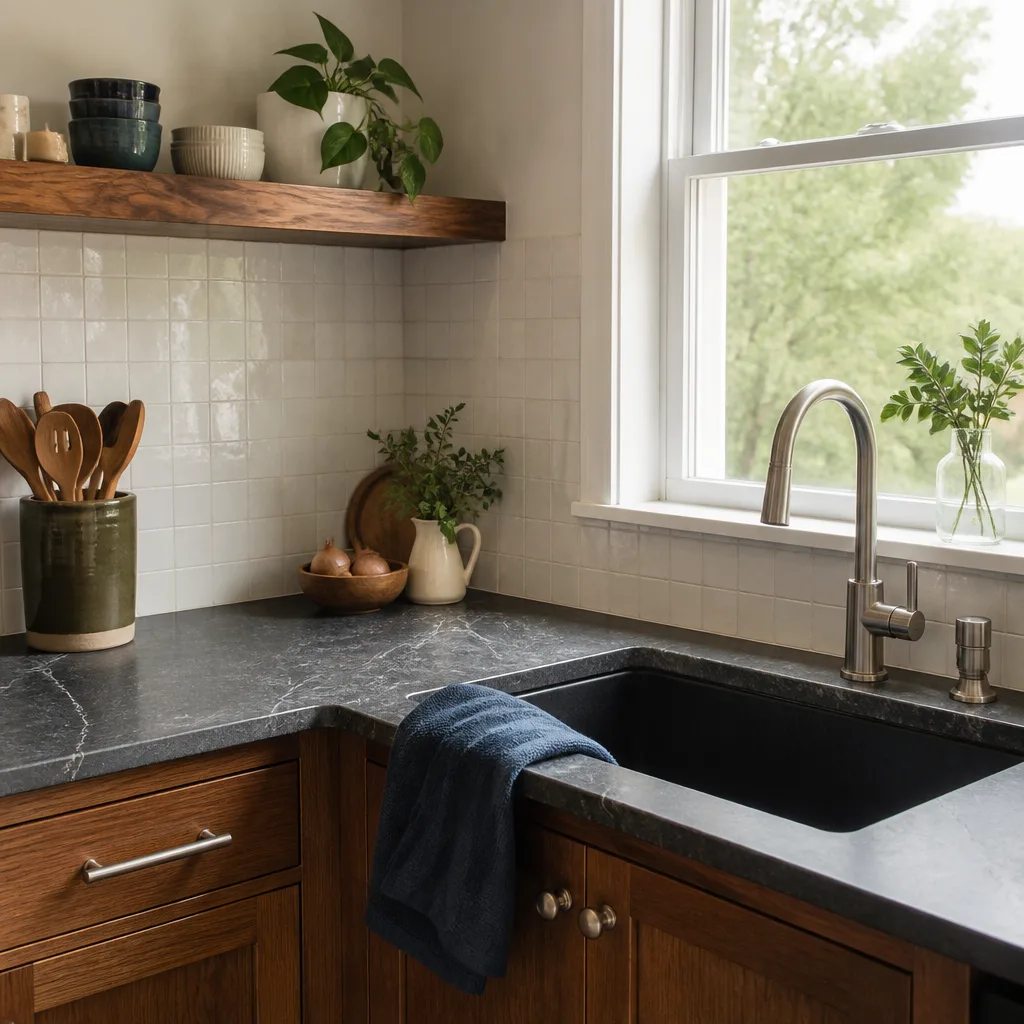
Silestone’s roofing line covers a few distinct product families, and the part you need depends on which one is on your house. The membrane systems use a reinforced PVC or TPO-style sheet with heat-welded seams. The tile-look composite shingles use a different fastening pattern and a different flashing profile. And some Houston homes have the stone-coated metal profile, which is a steel core with a Silestone aggregate finish. If you don’t know which one you have, look for the manufacturer’s stamp on the underside of a lifted shingle or on the membrane edge near a roof penetration. Most Silestone roofing carries a product code stamped into the material, usually a series letter followed by a batch number.
Here’s the compatibility gotcha most people miss: Silestone changed their seam-welding profile around 2018. Older membrane installations use a 1.5-inch lap that requires a specific hand-welder nozzle, while newer runs use a 2-inch lap with a different temperature setting. If a repair crew welds the old profile with new equipment without adjusting for it, the seam looks fine for six months and then opens up after the first real heat cycle. We keep both nozzle profiles on the truck and match the weld to the existing lap, not to whatever’s newest. When it comes to OEM versus aftermarket, we recommend OEM Silestone flashing and seam tape because the material thickness and UV stabilizers are engineered for the product. For fasteners and underlayment, a quality aftermarket equivalent from a documented brand works fine and keeps the price reasonable. We’ll walk you through that line-by-line on the written quote.
Styles & brands we work with







Signs Your Silestone Roofing Is Failing
- Water stains on the ceiling or upper wall corners. This is the most common first sign in Houston, and it usually means a seam has separated or flashing has pulled away. By the time the stain is visible, moisture has already been sitting against the substrate for days or weeks.
- Lifted or curling edges near roof penetrations. Vents, skylights, and HVAC penetrations are the weak points on any Silestone installation. The sealant breaks down under Houston’s UV exposure, and the membrane starts to pull back from the penetration boot.
- Granule loss or bare patches on composite shingle runs. Silestone’s stone-coated and aggregate finishes shed granules over time, especially on south-facing slopes that take the full Houston sun. A few granules in the gutter after a storm is normal. Bare patches means the protective layer is gone and the core is now exposed to moisture.
- Fastener heads backing out or visible rust streaks. When you have a stone-coated metal profile and you see rust-colored streaks running down from a fastener, that tells you the fastener’s weather seal has failed. Water follows the fastener into the roof deck, and you usually won’t see the damage until it’s advanced.
- A soft spot you can feel when walking the roof. If the decking gives underfoot, the substrate has absorbed moisture and is beginning to rot. This is no longer a surface repair. The affected decking has to come out, and in Houston the cost jumps accordingly because you’re replacing framing, not just surfacing.
See the difference
 Before
 After
After Before
 After
After Before
 After
AfterReplacement Cost & What’s Included

In Houston, Silestone roof repair lands between $400 and $1,800 based on what’s actually wrong. A separated seam or a single failed penetration boot is on the low end. Replacing flashing around a chimney, repairing decking rot, or re-welding multiple seams drives it higher. A full Silestone roof replacement runs $8,000 to $20,000. The spread depends on roof size, pitch, accessibility, and whether the decking underneath is sound or needs replacement.
Here’s what the numbers look like on a written quote, and this is how we break it down so you see exactly where every dollar goes:
- Seam repair and re-weld: $400 – $900
- Flashing replacement (single penetration): $500 – $1,200
- Chimney or skylight flashing rework: $800 – $1,800
- Decking repair (per sheet where rot is present): $150 – $400 added to the repair
- Full Silestone roof replacement: $8,000 – $20,000
Every one of those numbers is a fixed price before work starts. You get the same written figure at the door, no adjustments, no change orders unless you ask to expand scope. And the work is covered by our 365-Day Done Right Promise: if it fails inside the first year, we come back and correct it at no charge. That guarantee is in writing and in your hand before the first tool comes out.
DIY or Call Us?
There are a few things you can safely check yourself. Look for lifted edges near roof penetrations from ground level with a pair of binoculars. Check the attic for daylight coming through the decking or water staining on the rafters. Clear your gutters and see if granule buildup is normal or excessive. Those are inspection steps, not repairs, and they help you describe the problem when you call.
Here’s where we draw the line. Silestone membrane repair involves heat-welding seams, and doing that wrong creates a seam that fails without warning. Stone-coated metal fastening requires specific torque settings and weather seals. And walking a Houston roof in the summer heat is not the place to learn. A wet or soft roof is a fall hazard, and the heat reflecting off the surface can take you down faster than you expect. This is work for a crew that does it weekly, not a weekend project. Call (940) 289-7658 and we’ll get you a written quote.
FAQs
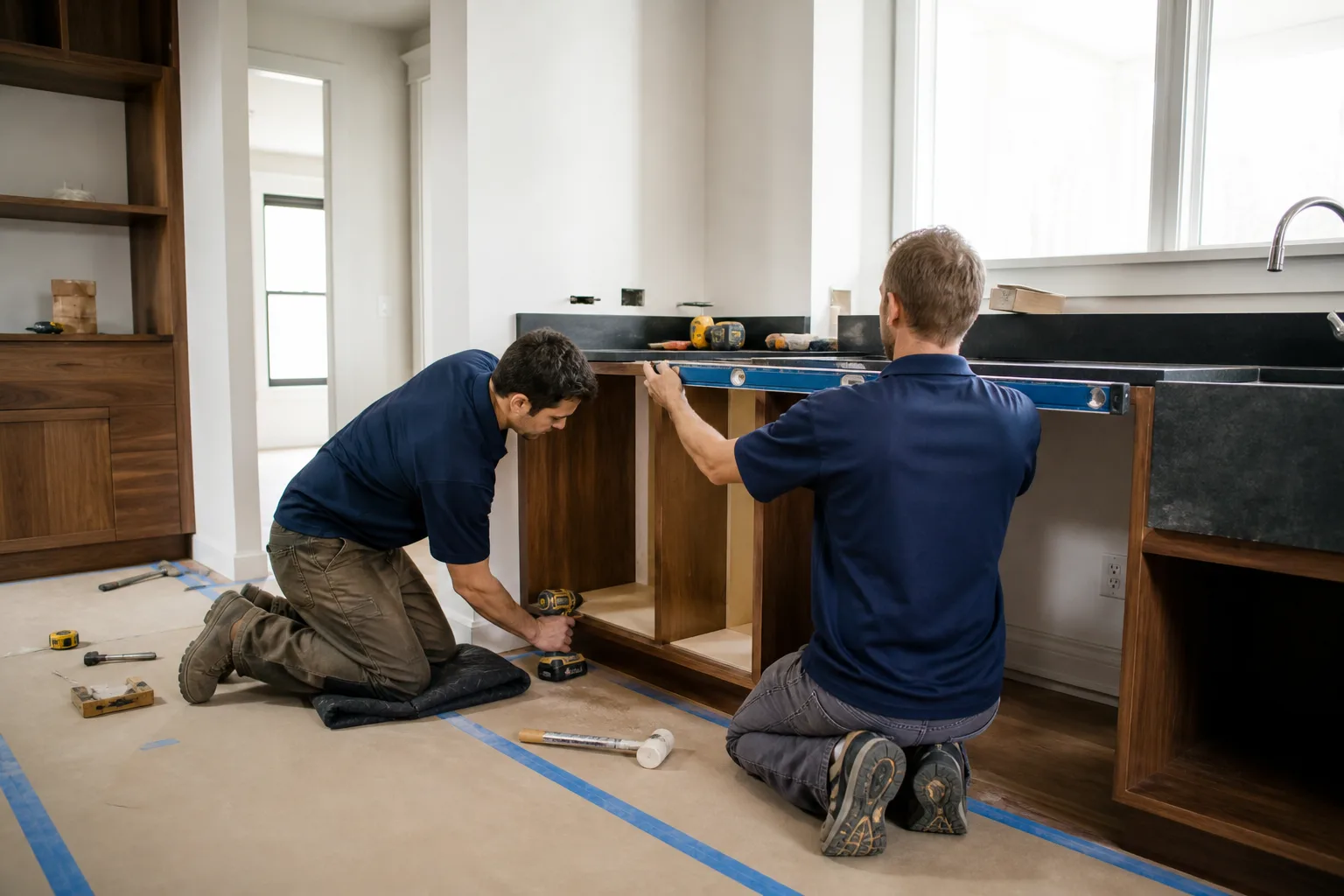
A correctly installed Silestone roof in Houston should last 20 to 30 years, but the Houston climate shortens that for installations with poor ventilation or substandard flashing. Call (940) 289-7658 for an inspection and we’ll tell you honestly how many years your specific roof has left. Straight scope, straight number, that’s the whole conversation.
Yes, in most cases a damaged Silestone section can be repaired if the substrate is still sound and the failure is isolated to seams, flashing, or a limited area of the surface. If the decking under the damaged section has rotted, we’ll need to replace that section of the roof structure before we can repair the surface. Call (940) 289-7658 for an exact answer on your specific roof.
A typical Silestone seam or flashing repair takes one day on site, and a full replacement runs three to seven days depending on the size and pitch of the roof. Houston weather can extend that schedule, but we’ll give you a written timeline before we start. Call (940) 289-7658 to schedule a free estimate and we’ll line out the exact schedule for your job.
We stock the common Silestone seam tapes, flashing profiles, and fasteners on our service vehicles, so most repairs can be completed in a single visit once the specific part is confirmed. For less common Silestone components, we order directly from our documented supplier network and schedule the repair once the part arrives. Call (940) 289-7658 and we’ll confirm what we have on hand for your specific Silestone product.
Written by Curtis Lane, Owner, Bradford Remodeling Co Houston at Bradford Remodeling Co Houston, serving Houston and nearby areas.


